
Materials intensity, the minerals famine, and the cost of electrification
On the DevelopmentAid Dialogues podcast, Peter Bryant joins host Hisham Allam to test the claim at the center of the energy expansion: that the shift to electric vehicles is as green as its advocates believe. The conversation covers materials intensity, the minerals famine, the permitting problem, and the question of who captures the value from the minerals the expansion depends on.
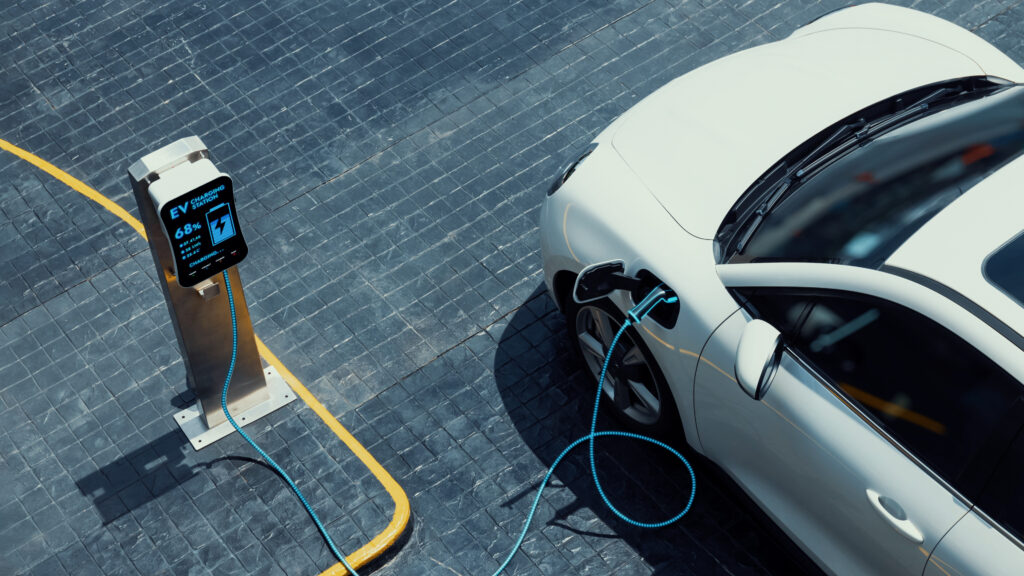
The position is not that EVs are wrong. It is that blind faith in them is misplaced on two counts: they are not as green as commonly presented, and they are not the whole answer for the next twenty years. The reason lies in materials intensity — the energy, water and waste embedded in producing what goes into a vehicle as opposed to only evaluating emissions. Most lifecycle studies do not fully account for this, nor for the source of the electricity doing the recharging.
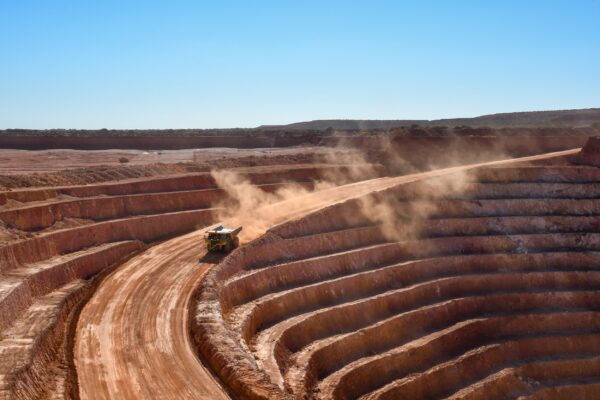
Copper is where the argument concentrates, because copper is the metal of electricity and has no substitute. S&P Global’s January 2026 study, ‘Copper in the Age of AI’, projects demand reaching 42 million tonnes by 2040 against production peaking at 33 million tonnes in 2030 which is a deficit of roughly a quarter of projected demand. New mines take 15 to 25 years from discovery to production. The two clocks do not match, and the demand side is still moving as AI infrastructure and hyperscaler buildouts begin to enter forecasts.
The conclusion Peter draws is that the answer is not to build faster but to need less: recycle what genuinely can be recycled, thrift by using less material for a given task, and invest seriously in substitution. Alongside this, he suggested increased focus on production technologies that unlock resources without new large mines, including direct lithium extraction, bioleaching, and recovery of copper from waste.
Underneath it all is the question of who benefits. Mineral-rich countries remain poor while Western supply strategy asks them to ship raw material out for processing elsewhere. Peter asserts this is neither defensible nor durable, and producer governments are already exerting control to capture downstream value. What Indigenous communities are asking for is participation rather than consultation, and in practice that means ownership.
Asked what a clearer prediction on the EV era would look like in ten years, Peter offers three testable conditions: the bulk of the world’s ageing vehicle fleet replaced by EVs and hybrids; the great majority of new critical minerals demand met through innovation rather than new mines; and Indigenous ownership of resources established as the standard rather than the exception.